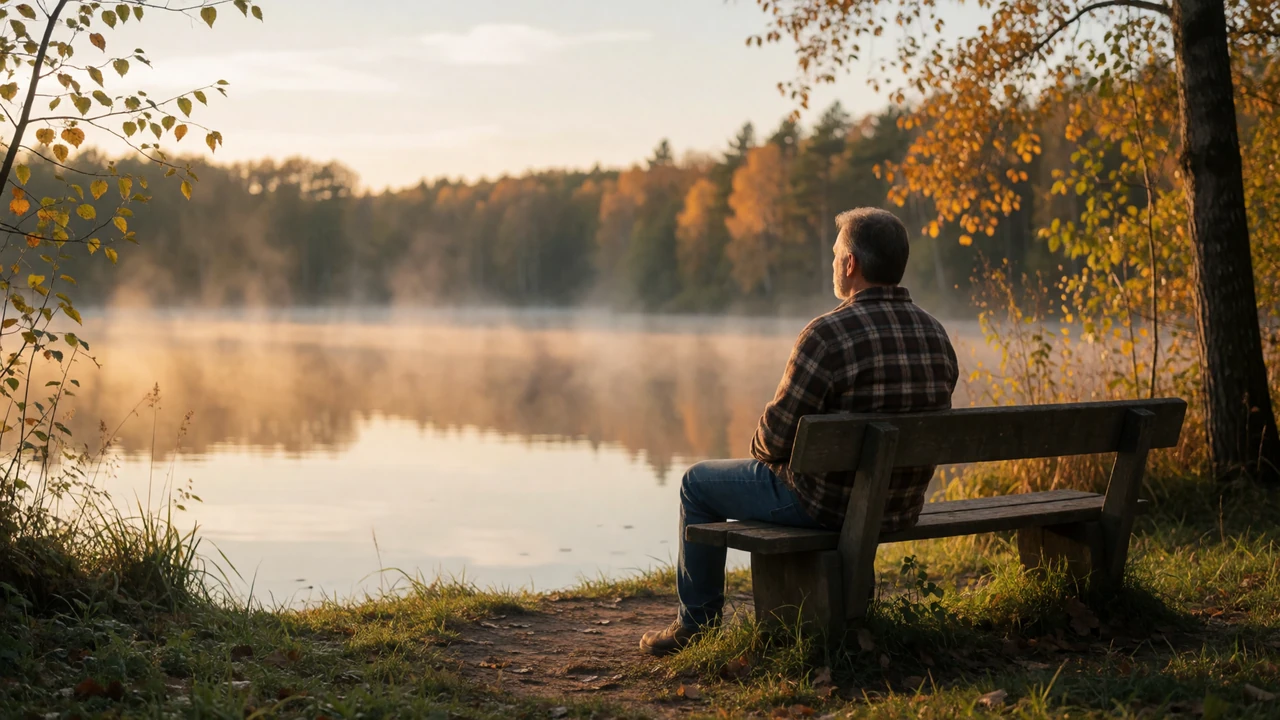
Dating with PTSD: Trauma-Informed Connections on OpenHeartMatch
A PTSD dating site where your healing is respected and your pace is honored. Meet people who understand triggers, value patience, and build safety before intimacy. Whether you are a veteran, a survivor, or navigating complex trauma, you deserve a relationship built on trust - not pressure.
Why OpenHeartMatch Offers Trauma-Informed Dating
Dating with PTSD on mainstream platforms can feel like walking through a minefield. Unexpected questions about your past, pressure to meet before you are ready, profiles that trigger memories you were not prepared to face - the standard dating app experience is built for speed and novelty, which are often the exact opposite of what trauma survivors need. OpenHeartMatch was created differently. Every design decision, from the pacing of matches to the language in our prompts, is filtered through a trauma-informed lens that prioritizes safety, autonomy, and consent.
Our platform was built by people with firsthand experience of disability and trauma. Accessibility is not an afterthought - it is the foundation. We keep core features free because we are a nonprofit, not a company monetizing your search for connection. And our human moderation team ensures that the community stays safe, respectful, and free from the predatory behavior that disproportionately targets people with disabilities and trauma histories. On OpenHeartMatch, you set the pace - always.
- Trauma-informed by design. Our team includes people with lived experience of PTSD who understand that healing is not linear, triggers are not predictable, and safety is not optional. Every feature is shaped around what trauma survivors actually need.
- Accessibility-first interface. Screen reader compatibility, keyboard navigation, high-contrast modes, and distraction-reduced layouts - because sensory overload and cognitive fatigue are real barriers for many people with PTSD.
- Human moderation, not algorithms. Every profile is verified by a real person. Reports are reviewed manually. Harassment, predatory behavior, and pressure tactics trigger immediate action - no automated dismissals.
Want to understand how we compare to mainstream apps? Read our Tinder for Disabled comparison for a detailed breakdown of why standard platforms fall short for people navigating trauma.
PTSD and Relationships: Understanding Triggers Together
Post-traumatic stress disorder does not just affect the person who experienced the trauma - it shapes the entire landscape of their intimate relationships. PTSD can influence how a person responds to closeness, processes emotions, navigates conflict, and experiences physical intimacy. It can make certain sounds, smells, places, or words feel dangerous even when they are objectively safe. When both partners understand this, PTSD becomes a shared challenge to navigate together. When it is misunderstood, it becomes a wedge that drives people apart. The difference is almost always about awareness and communication, not about the trauma itself.
How PTSD Shows Up in Romantic Relationships
PTSD manifests differently in every person, but certain patterns are common in intimate relationships. Hypervigilance can make a partner seem constantly on alert, scanning for threats even in safe environments. Emotional numbness or dissociation can create periods where a partner feels emotionally unreachable, even when they want to be present. Avoidance can lead to withdrawing from activities, places, or conversations that are associated with the trauma. And intrusive memories or flashbacks can interrupt moments of connection with sudden, overwhelming distress. None of these are choices - they are neurological responses to danger that the brain has not yet unlearned.
The Strengths That Trauma Survivors Bring
People living with PTSD also bring extraordinary strengths to their relationships. Many survivors develop deep empathy, an acute awareness of others' emotional states, and a capacity for honesty and vulnerability that comes from having already faced the worst. Trauma survivors often value authenticity over pretense, substance over surface, and loyalty over convenience. When a partner can see and appreciate these strengths - rather than focusing only on the challenges - the relationship has a foundation of genuine respect that many conventional partnerships never achieve.
"After my deployment, I thought I was broken for relationships. Three years on OpenHeartMatch taught me something different - I was not broken, I was healing. And healing people love just as deeply. Maybe more, because we know what it means to lose." - Community member, U.S. Army veteran, diagnosed with PTSD
How OpenHeartMatch Supports Trauma-Informed Connection
Our Vibes matching system goes beyond surface interests to factor in communication styles, pacing preferences, and emotional needs - the dimensions that matter most in trauma-informed dating. When you match with someone on OpenHeartMatch, you are matching with a person who has already opted into understanding trauma, not someone you have to educate from scratch. That shared baseline changes everything about how early conversations unfold. There is no pressure to share your story before you are ready, no timeline for meeting in person, and no expectation that intimacy moves at any particular speed.
For a deeper exploration of navigating anxiety and trauma in dating, our anxiety and dating guide offers grounding techniques and communication strategies that complement trauma-informed dating. Our safety tips page also provides practical guidance for safe first dates.
Managing Triggers and Creating Safety in Dating
Creating safety in dating with PTSD is not about avoiding all discomfort - it is about building a framework where both partners know what to expect, how to respond, and how to recover when things get hard. The goal is not to eliminate triggers, which is often impossible, but to develop shared strategies for navigating them with dignity and care. Here are the practices that the most successful trauma-informed relationships on OpenHeartMatch share.
- Identify your triggers before they surprise you. Take time to reflect on the situations, sounds, words, or environments that tend to activate your PTSD symptoms. You do not need to share everything with a partner, but knowing your own landscape helps you communicate proactively rather than reactively. On OpenHeartMatch, your profile can include as much or as little about your triggers as you want - you are always in control of your narrative.
- Develop communication scripts for hard moments. Having pre-agreed language for when things get overwhelming removes the pressure of finding words in the moment. Simple scripts like "I need a pause" or "This is a trigger for me, can we switch topics?" give both partners a clear path that does not require explanation or apology. Practice these scripts when things are calm so they are available when they are needed.
- Agree on a safe word or signal. A single word or gesture that means "stop, I need to regroup" can prevent a challenging moment from becoming a crisis. This is not about shutting down conversation - it is about creating a shared understanding that either partner can call a pause without judgment. The agreement is that when the safe word is used, the response is immediate respect, not questions or pushback.
- Pace dates and meetings on your terms. There is no timeline for moving from messaging to meeting, from meeting to regular contact, or from contact to intimacy. OpenHeartMatch is designed to let you set the pace at every stage. If a partner pressures you to move faster than you are comfortable, that is a red flag - and our moderation team is available if that pressure becomes harassment.
- Use grounding techniques before and during dates. The 5-4-3-2-1 sensory grounding method - naming five things you see, four you hear, three you can touch, two you smell, one you taste - can bring you back to the present moment when dissociation or anxiety starts to pull you away. Other techniques include focused breathing, holding a textured object, or pressing your feet into the floor. Having these tools in your toolkit means you can self-regulate without needing to leave or explain.
- Plan recovery time after emotionally demanding interactions. Dates, even good ones, can be emotionally taxing for someone with PTSD. Building in quiet time afterward - a walk alone, time with a pet, a familiar routine - helps your nervous system return to baseline. Communicating this need to a partner in advance prevents them from interpreting your need for space as rejection.
- Choose date environments intentionally. Crowded, loud, or unpredictable environments can be triggering for many people with PTSD. Opt for quieter settings, familiar places, or activities that have a clear structure. Our accessible first date ideas guide offers suggestions that work well for trauma survivors, including low-stimulation environments and activities with natural built-in pacing.
How Partners Can Support Someone with PTSD
If you are dating someone with PTSD - or open to it - understanding how to show up as a supportive partner is one of the most meaningful things you can do. The most important principle is that you are not their therapist; you are their partner. Your role is not to fix or treat their PTSD but to create a relationship where healing can happen alongside love, not instead of it. That means learning what helps, what hurts, and how to tell the difference.
Helpful Responses
- Listen without trying to fix. When your partner shares something difficult, the most powerful response is often simply "I hear you, and I am here." Resist the urge to offer solutions unless they ask. Being a safe space for their experience is the solution.
- Respect their pace. If they need to slow down, pause, or step back, do not take it personally. Trauma recovery is not linear, and honoring where they are - without pressure or disappointment - builds trust that deepens over time.
- Learn their triggers and warning signs. With their permission, learn what tends to activate their symptoms and what early signs look like. This is not about walking on eggshells - it is about being attuned and responsive rather than caught off guard.
- Follow their lead on disclosure. Let them decide when, how, and how much to share about their trauma. Never push for details, and never share their story with others without explicit permission. Their story belongs to them.
- Offer presence during flashbacks or panic. If your partner is experiencing a flashback or panic response, stay calm and present. Use grounding prompts - "You are safe, you are here with me, it is [current date]" - and do not touch them without asking first. Your steady presence is more therapeutic than any words.
- Celebrate their resilience. Every day that your partner navigates the world with PTSD is an act of strength. Acknowledge it. Celebrate the milestones - the first date that did not end in a panic attack, the first time they shared a memory, the first crowded event they attended. Resilience deserves recognition.
What to Avoid
- Do not say "just get over it" or "it is in the past." PTSD is a neurological condition, not a mindset. Comments like these invalidate their experience and damage trust. The brain does not move on just because someone suggests it should.
- Do not take symptoms personally. A withdrawn evening, a sudden need to leave, or an emotional shutdown is not about you. Interpreting PTSD symptoms as relationship statements creates a double burden - your partner is now managing both their trauma and your reaction to it.
- Do not pressure for intimacy or physical contact. Trauma often complicates physical intimacy. Pressure - even subtle, well-intentioned pressure - can be re-traumatizing. Let physical closeness unfold at a pace that feels safe, and check in often about what feels okay.
- Do not ask for trauma details. Curiosity is natural, but your partner's trauma story is not yours to access. If they want to share, they will, when they are ready. Asking for details can feel like an intrusion and can trigger symptoms.
- Do not try to be their therapist. Supporting a partner is different from treating them. Encourage professional support if they do not have it, but do not take on a clinical role. The relationship works best when it is a partnership, not a treatment dyad.
- Do not surprise them with unpredictable situations. Sudden changes in plans, unexpected guests, or surprise environments can be triggering. A little predictability goes a long way in creating safety for someone with PTSD.
For partners who are also navigating their own mental health challenges, our guides on dating with bipolar disorder and anxiety and dating offer additional context on supporting each other through complex emotional landscapes.
PTSD Dating Frequently Asked Questions
Questions we hear most often from people with PTSD exploring online dating - and from partners open to dating someone with trauma history.
Is there a dating site specifically for people with PTSD?
Yes - OpenHeartMatch is a trauma-informed dating site that welcomes people with PTSD alongside the broader disability and neurodivergent community. Unlike mainstream platforms that prioritize speed and novelty, every feature here is designed with trauma survivors in mind. From our Vibes matching system that factors in pacing preferences and communication styles to our human moderation that keeps the community safe, the entire experience is shaped around what people with PTSD actually need. Core features are free, and there is never pressure to move faster than you are ready.
Should I mention my PTSD in my dating profile?
On OpenHeartMatch, you never have to hide your PTSD - and you never have to disclose it before you are ready. Your profile can include as much or as little about your diagnosis, your triggers, and your needs as you want. Many users find that being open on an inclusive platform removes the anxiety of when to disclose and lets conversations focus on personality, interests, and connection instead. You are always in control of your narrative here.
Can people with PTSD have healthy long-term relationships and marriage?
Absolutely. People with PTSD date, fall in love, build long-term partnerships, and marry every day. Many trauma survivors bring extraordinary depth, loyalty, and emotional honesty to their relationships. What creates difficulty is not the PTSD itself but a lack of understanding, shared strategies, and safe communication. OpenHeartMatch addresses all three by building a community where trauma is understood, not stigmatized, and where resources for navigating PTSD relationships are readily available.
Is OpenHeartMatch a good dating site for veterans?
Yes. Many veterans with service-related PTSD have found OpenHeartMatch to be a welcoming space where their experiences are understood rather than judged. Our trauma-informed design, human moderation, and community of people who have opted into understanding trauma create an environment where veterans can connect at their own pace without the pressure and misunderstanding that often accompanies mainstream dating. We also provide resources and community support specifically relevant to veteran experiences.
How does OpenHeartMatch handle safety for trauma survivors?
Safety is our highest priority because we know that people with trauma histories face disproportionate risk of exploitation and abuse. Every profile is verified by a real person. Our moderation team reviews reports manually and takes immediate action against harassment, predatory behavior, and pressure tactics. We never use automated systems to dismiss complaints. You can also block and report users at any time, and our community guidelines are built on trauma-informed principles that prioritize user safety above all else.
Is OpenHeartMatch free for people with PTSD?
Yes. As a 501(c)(3) nonprofit, we are committed to keeping core features - creating a profile, browsing matches, and sending messages - free forever. We are funded by grants and community support, not by paywalls that exploit your search for connection. Optional premium features may exist in the future, but the essentials will always be accessible to everyone.