
ADHD Dating: Build Relationships That Thrive on OpenHeartMatch
An ADHD dating site where your energy, creativity, and intensity are understood - not pathologized. Meet people who appreciate your hyperfocus, respect your routines, and love the way your mind works. Build a relationship that embraces all of you, sticky notes and all.
Why OpenHeartMatch Works for ADHD Relationships
ADHD dating on mainstream platforms often means a cycle of intense early connection followed by confusion - partners who misread your enthusiasm as love-bombing, your forgetfulness as disinterest, or your need for stimulation as inconsistency. On OpenHeartMatch, those misunderstandings do not happen because every member has opted into a neurodiversity-affirming space. Your ADHD is not something you disclose with trepidation; it is part of the context that everyone here already understands and respects.
Our platform was built by people with firsthand experience of disability and neurodivergence. Accessibility is not an afterthought - it is the foundation. Every profile field, every notification, and every matching algorithm is designed with the understanding that ADHD brains work differently. We keep core features free because we are a nonprofit, not a company monetizing your search for connection. And our human moderation team ensures that the community stays safe, respectful, and free from the judgment that too often accompanies neurodivergent dating elsewhere.
- Neurodiversity-affirming by design. Our team includes people with ADHD who understand the lived experience - from the thrill of hyperfocus to the frustration of executive dysfunction. Every feature is shaped around how ADHD brains actually work.
- Accessibility-first interface. Screen reader compatibility, keyboard navigation, high-contrast modes, and distraction-reduced layouts - because sensory overload should never be part of your dating experience.
- Human moderation, not algorithms. Every profile is verified by a real person. Reports are reviewed manually. Ableist language, harassment, and predatory behavior trigger immediate action - no automated dismissals.
Want to see how we compare to mainstream apps? Read our Tinder for Disabled comparison for a detailed breakdown of why standard platforms fall short for ADHD singles.
Understanding ADHD in Romantic Relationships
ADHD is not just about attention - it shapes the entire rhythm of how a person experiences intimacy, communication, and daily partnership. The ADHD brain processes dopamine differently, which means excitement, novelty, and stimulation are not luxuries; they are neurological needs. When that is understood and accommodated, ADHD relationships can be among the most passionate, creative, and deeply connected partnerships imaginable. When it is misunderstood, the same traits become sources of conflict and resentment. The difference is almost always about awareness, not about the ADHD itself.
The Strengths ADHD Brings to Relationships
People with ADHD often bring extraordinary qualities to their relationships: boundless creativity, infectious enthusiasm, the ability to hyperfocus on what matters, deep empathy, and a willingness to think outside conventional boxes. Many ADHD partners are spontaneous, generous, and emotionally intense in ways that make their relationships feel vivid and alive. When a partner appreciates these strengths rather than pathologizing them, the relationship has a foundation of genuine acceptance rather than tolerance.
The Challenges That Come With the Territory
ADHD also brings real challenges that deserve honest acknowledgment. Executive dysfunction can mean forgotten anniversaries, missed texts, or chores left half-done. Emotional dysregulation can turn a small disagreement into an overwhelming flood. Time blindness can make a partner feel deprioritized. These are not character flaws - they are neurological realities - but they have real impact on a partner, and pretending otherwise helps no one. The goal is not to minimize the challenges but to address them with shared strategies and mutual compassion.
"My ADHD brain falls in love at full volume. For years, partners called it 'too much.' On OpenHeartMatch, someone finally called it 'exactly right.' We are two years in and still discovering new ways to grow together." - Community member, diagnosed with ADHD at 29
How OpenHeartMatch Supports the Full Picture
Our Vibes matching system goes beyond surface interests to factor in communication styles, energy levels, and sensory preferences - the dimensions that matter most in ADHD relationships. When you match with someone on OpenHeartMatch, you are matching with a person who has already opted into understanding neurodivergence, not someone you have to educate from scratch. That shared baseline changes everything about how early conversations unfold.
For a deeper exploration of neurodivergent relationship dynamics, our neurodivergent love guide offers insights into how ADHD and autism intersect in romantic partnerships, and our anxiety and dating guide addresses the overlap between ADHD and anxiety that many of our members navigate.
Hyperfocus and Emotional Regulation in Dating
Two of the most defining - and most misunderstood - features of ADHD in romantic contexts are hyperfocus and emotional dysregulation. Both can be superpowers or challenges depending on awareness, communication, and the right partner. Understanding how they work is essential for anyone navigating ADHD dating, whether you have ADHD yourself or are dating someone who does.
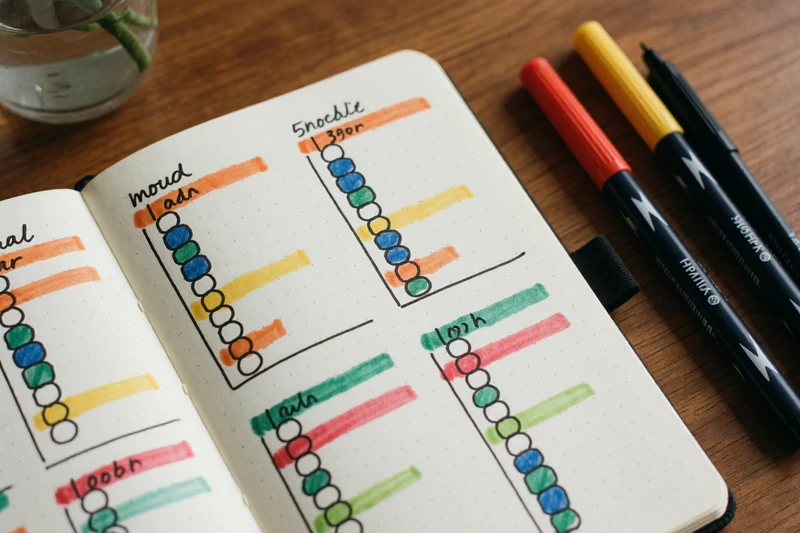
Here is a balanced look at both sides - the gifts and the growing edges - and how to work with them in a relationship.
Hyperfocus as a Superpower
- Deep, immersive attention. When an ADHD brain locks onto something - or someone - it cares about, the level of focus can be extraordinary. Partners often describe feeling more seen and cherished than in any previous relationship.
- Creative problem-solving. Hyperfocus channels energy into finding solutions, planning experiences, and exploring shared interests with a level of depth that neurotypical partners often find exhilarating.
- Passion that sustains. The intensity ADHD brings to new love does not have to fade. With awareness and communication, that energy can be redirected into long-term connection rather than burning out after the honeymoon phase.
- Shared hyperfocus moments. Couples who learn to harness mutual hyperfocus - on a project, a hobby, a shared goal - describe some of the most connected and fulfilling experiences of their relationship.
Managing Emotional Waves
- Rejection sensitive dysphoria (RSD). Many people with ADHD experience intense emotional pain in response to perceived rejection or criticism - sometimes disproportionate to the actual event. Partners who understand this can respond with reassurance rather than defensiveness.
- Emotional impulsivity. Big feelings can arrive fast and loud. Without strategies, this can lead to saying things in the moment that are later regretted. Naming the pattern helps both partners navigate it.
- Hyperfocus can shift. The same intensity that locks onto a partner can also shift to a new interest, leaving a partner feeling suddenly deprioritized. Open communication about attention cycles prevents this from feeling like abandonment.
- Burnout after high-energy periods. ADHD brains run hot. After sustained hyperfocus or emotional intensity, recovery time is real. Partners who understand this as a neurological need - not laziness or withdrawal - build trust.
Practical Strategies That Work
The most successful ADHD relationships on OpenHeartMatch share a few common practices. First, naming the patterns out loud - "I am in a hyperfocus phase right now, and it is not about you" - removes guesswork and prevents resentment. Second, building shared systems: visual calendars, reminder apps, and check-in rituals externalize executive function so it does not become a source of conflict. Third, scheduling novelty intentionally - date nights that break routine, shared learning experiences, or surprise adventures - feeds the ADHD brain's need for stimulation in ways that strengthen the relationship rather than pulling energy away from it.
For partners navigating the intersection of ADHD and other conditions, our guides on chronic illness dating and dating with bipolar disorder offer additional context on managing complex emotional landscapes in relationships.
Advice for Partners Dating Someone with ADHD
If you are dating someone with ADHD - or open to it - understanding a few key principles can transform the relationship from confusing to deeply connected. The most important thing to remember is that ADHD is a neurological difference, not a character flaw. Your partner is not forgetful on purpose, not distracted to hurt you, and not intense to overwhelm you. Their brain works differently, and learning its rhythm is one of the most rewarding investments you can make in the relationship.
- Learn the language of ADHD. Terms like executive dysfunction, time blindness, hyperfocus, and rejection sensitive dysphoria are not jargon - they are the vocabulary that helps you understand what your partner is experiencing. When you can name what is happening, you respond with empathy instead of frustration. A partner who takes the time to learn this language is a partner who communicates care in a way that words alone cannot.
- Do not take symptoms personally. A forgotten text, a late arrival, a half-finished project - these are not signs that your partner does not care. They are signs that an ADHD brain is doing its best with a system that does not always cooperate. The most destructive pattern in ADHD relationships is interpreting neurological symptoms as emotional messages. Separating the two is one of the greatest gifts you can give your partner.
- Build shared external systems. Shared calendars, visible reminders, and agreed-upon routines take the pressure off your partner's working memory and off your patience. When the system holds the information, neither of you has to. This is not about treating your partner as incapable - it is about designing an environment where both of you can thrive without the friction of unmet expectations.
- Celebrate the intensity, do not pathologize it. Your partner's enthusiasm, passion, and capacity for deep focus are gifts. When they light up about a new interest, join them. When they hyperfocus on you, receive it as the genuine expression of care that it is. The message many people with ADHD have received their whole life is "you are too much." Your relationship can be the place where they finally hear "you are exactly enough."
- Plan for novelty together. ADHD brains crave stimulation. If routine becomes too rigid, the relationship can feel stale - not because of a lack of love, but because of a neurological need for novelty. Plan surprise dates, explore new activities together, and build in intentional variety. A relationship that feeds the ADHD brain's need for stimulation is a relationship that stays vibrant long-term.
- Communicate about emotional regulation openly. If your partner experiences RSD or emotional impulsivity, talk about it outside of heated moments. Ask: "What helps you when you are feeling overwhelmed?" and share what helps you. Having a plan before emotions run high means both of you can lean on the plan rather than improvising in the moment. For more on this, our anxiety and dating guide offers grounding techniques that benefit ADHD partners too.
For more on neurodivergent relationship dynamics, explore our neurodivergent love guide and our autism spectrum dating page, which shares many overlapping themes with ADHD relationships.
ADHD Dating Frequently Asked Questions
Questions we hear most often from ADHD singles exploring online dating - and from partners open to dating someone with ADHD.
Is there a dating site specifically for people with ADHD?
Yes - OpenHeartMatch is a neurodiversity-affirming dating site that welcomes ADHD singles alongside the broader disability and neurodivergent community. Unlike mainstream platforms that treat ADHD as an edge case, every feature here is designed with neurodivergent brains in mind. From our Vibes matching system that factors in communication styles and energy levels to our distraction-reduced interface, the entire experience is shaped around how ADHD brains actually work. Core features are free, and our human moderation team keeps the community safe and respectful.
Should I mention my ADHD in my dating profile?
On OpenHeartMatch, you never have to hide your ADHD - and you never have to lead with it as if it were a disclaimer. Your profile can include as much or as little about your diagnosis, your traits, and your management strategies as you want. Many users find that being open on an inclusive platform removes the anxiety of when to disclose and lets conversations focus on personality, interests, and connection instead. You are in control of your narrative here.
How does OpenHeartMatch handle ADHD-related misunderstandings?
Our community guidelines are built on neurodiversity-affirming principles. We educate members about conditions like ADHD through our blog and onboarding resources, so the baseline understanding in the community is higher than on mainstream platforms. If someone is disrespectful or ableist toward your ADHD, you can report and block them immediately, and a real person on our moderation team will review your report. We do not tolerate harassment, and we do not use automated systems to dismiss complaints.
Can people with ADHD have successful long-term relationships and marriage?
Absolutely. People with ADHD date, fall in love, build long-term partnerships, and marry every day. ADHD brings unique strengths to relationships - creativity, passion, spontaneity, and deep capacity for focus on what matters. What creates difficulty is not the ADHD itself but a lack of understanding, shared strategies, and communication. OpenHeartMatch addresses all three by building a community where neurodivergence is the norm, not the exception, and where resources for navigating ADHD relationships are readily available.
Is OpenHeartMatch free for ADHD singles?
Yes. As a 501(c)(3) nonprofit, we are committed to keeping core features - creating a profile, browsing matches, and sending messages - free forever. We are funded by grants and community support, not by paywalls that exploit your search for connection. Optional premium features may exist in the future, but the essentials will always be accessible to everyone.
What is rejection sensitive dysphoria and how does it affect dating?
Rejection sensitive dysphoria (RSD) is a common but underrecognized experience for many people with ADHD. It involves intense emotional pain in response to perceived rejection, criticism, or failure - sometimes disproportionate to the actual event. In dating, RSD can make a casual "maybe" feel like a devastating "no" or a slow text reply feel like abandonment. Understanding RSD - both for the person with ADHD and their partner - is one of the most important steps in building a healthy ADHD relationship. OpenHeartMatch provides resources and a community where this experience is understood, not dismissed.