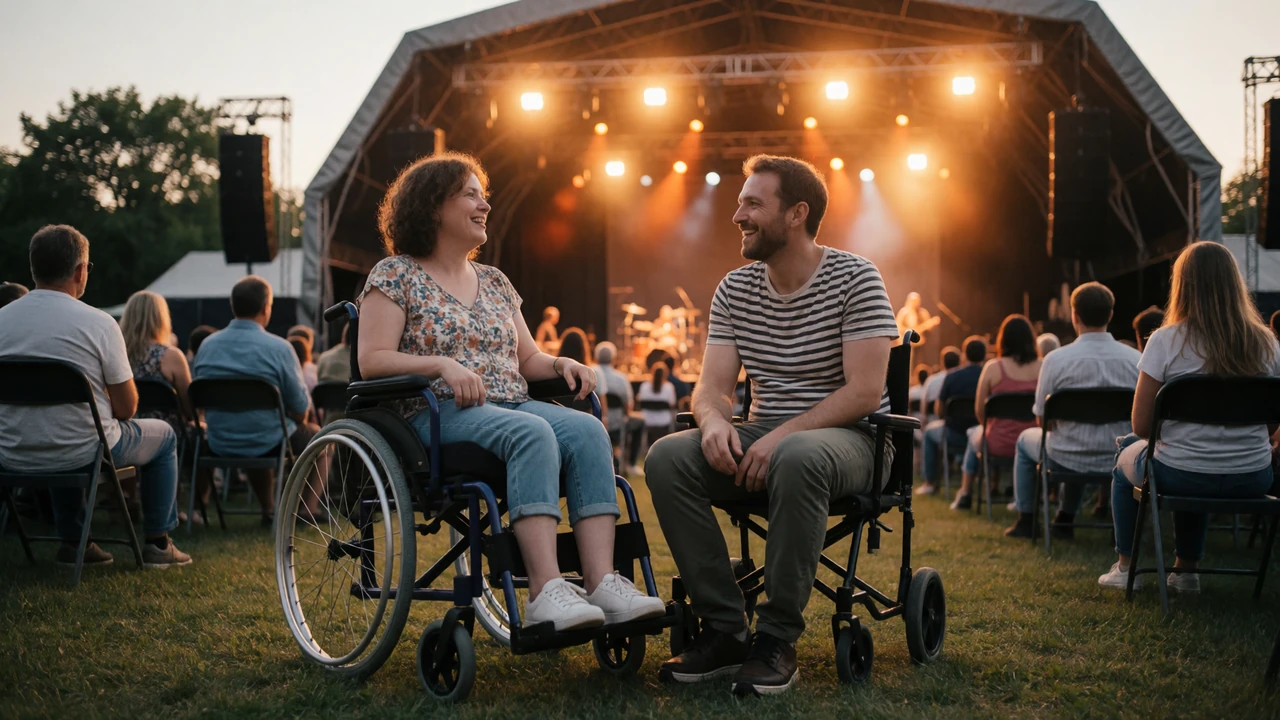
Cerebral Palsy Dating: Romance Without Limits on OpenHeartMatch
A disability dating app where cerebral palsy is part of your story, not the end of it. Meet people who see your abilities first, who respect your communication style, and who want to build a real relationship with all of who you are. Because love does not require a standard-issue body or voice.
Why OpenHeartMatch Works for Cerebral Palsy Dating
Dating with a disability on mainstream platforms often means encountering profiles that ask for "able-bodied only," interfaces that break with screen readers, and a culture that treats disability as a dealbreaker. On OpenHeartMatch, that world does not exist. Every member has chosen to be part of a community where disability is normal - where cerebral palsy, whether it affects your speech, your mobility, or both, is simply one facet of a whole person looking for connection. You never have to disclose your CP with anxiety or wonder whether a match will disappear when they learn about it. The context is already shared.
Our platform was built by a team with firsthand experience of disability and neurodivergence. Accessibility is not a feature we bolted on - it is the foundation every line of code is written on. Screen reader compatibility, keyboard navigation, high-contrast modes, and distraction-reduced layouts are standard because sensory and motor accessibility should never be barriers to finding love. As a 501(c)(3) nonprofit, we keep core features free forever - we are funded by grants and community support, not by paywalls that exploit your search for connection. And because people with disabilities face a higher risk of abuse and exploitation, our human moderation team verifies every profile and reviews every report manually.
- Accessibility-first by design. Every interface element is built for screen reader compatibility, keyboard navigation, and motor accessibility. Whether you use a switch device, eye-tracking, or voice control, OpenHeartMatch works with your access technology, not against it.
- Nonprofit, not paywall. Core features - creating a profile, browsing matches, and messaging - are free forever. We are a 501(c)(3) organization funded by grants, not a company that monetizes your vulnerability.
- Human moderation, not algorithms. Every profile is verified by a real person. Reports of ableist language, harassment, or predatory behavior are reviewed manually and acted on immediately. No automated dismissals, no bots making safety decisions.
Curious how we compare to mainstream apps? Our Tinder for Disabled comparison breaks down exactly why standard platforms fall short for people with cerebral palsy and other disabilities.
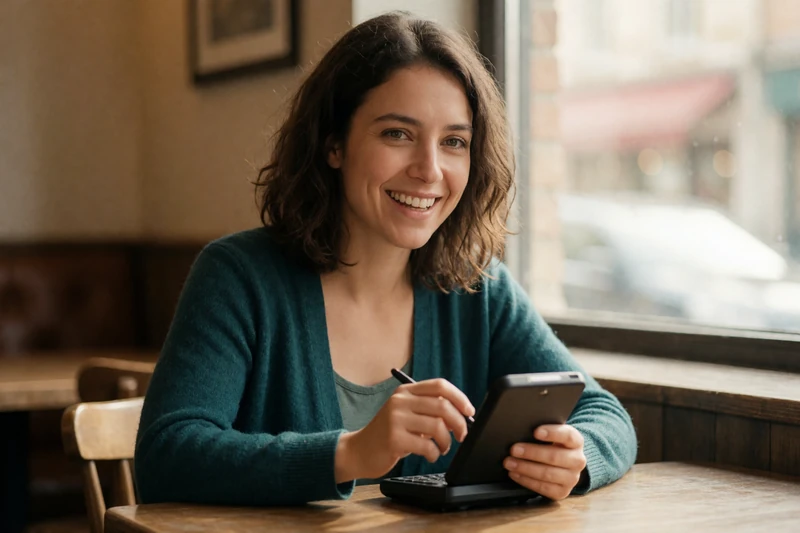
Cerebral Palsy and Romance: Breaking Barriers
Cerebral palsy is the most common motor disability in childhood, affecting approximately one in 345 children in the United States. Yet public understanding of CP remains riddled with misconceptions - that people with CP cannot form romantic relationships, that intimacy is impossible, or that a partner would be a "caretaker" rather than an equal. These myths cause real harm. They shape how people with CP are treated, how they see themselves, and whether they even allow themselves to want love. On OpenHeartMatch, we start from a different premise: cerebral palsy affects movement, not the capacity to love, to desire, to commit, or to build a life with someone.
CP Is a Motor Condition, Not a Cognitive One
One of the most persistent and damaging misconceptions about cerebral palsy is that it implies intellectual disability. It does not. CP is caused by damage to the developing brain that affects motor control - muscle tone, coordination, and movement. While some individuals with CP have co-occurring intellectual disabilities, many have average or above-average intelligence. Assuming otherwise is not only factually wrong - it is deeply dehumanizing, and it shapes how potential partners approach (or avoid) people with CP. On OpenHeartMatch, profiles reflect the whole person: your interests, your humor, your values, your ambitions. Your motor condition is one detail, not the headline.
Communication Comes in Many Forms
Cerebral palsy can affect speech for some individuals, but communication is never limited to one channel. Many people with CP use augmentative and alternative communication (AAC) devices, sign language, communication boards, or a combination of methods. On OpenHeartMatch, these communication styles are respected and accommodated. Our messaging system supports text, voice, and image sharing, and our community is educated about diverse communication methods through our blog and onboarding resources. A partner who is willing to learn your communication style is a partner worth having - and our community is full of people who have already opted into that willingness.
"I use a speech device and a power chair. On other apps, I got pity or silence. On OpenHeartMatch, I got someone who asked me about my favorite books before he asked about my chair. We have been together for eighteen months and he still makes me laugh every single day." - Community member, living with cerebral palsy
Intimacy and CP: Addressing What Nobody Talks About
The conversation about sexuality and disability remains taboo in many circles, but it is a conversation that matters. People with cerebral palsy have romantic and sexual desires, form intimate partnerships, and build fulfilling love lives. CP may require adaptations - different positioning, communication about spasticity or fatigue, planning around medication schedules - but adaptation is not absence. The most fulfilling intimate relationships are built on honest communication, mutual curiosity, and a willingness to learn together. Our disability and sexuality guide addresses these topics with the respect and depth they deserve, because pretending desire does not exist is not protection - it is erasure.
For those navigating the intersection of CP and other aspects of identity, our guides on accessible first date ideas and caregiver dating offer additional perspectives on building relationships within the disability community.
Accessible Date Formats for CP Singles
Planning a date when you have cerebral palsy is not about limiting options - it is about choosing venues and activities that let you focus on your partner instead of on logistics. The best accessible dates remove physical barriers and sensory overwhelm so that the energy you bring goes toward connection, not navigation. Here are three date formats that work beautifully for CP singles, with practical accessibility notes for each.
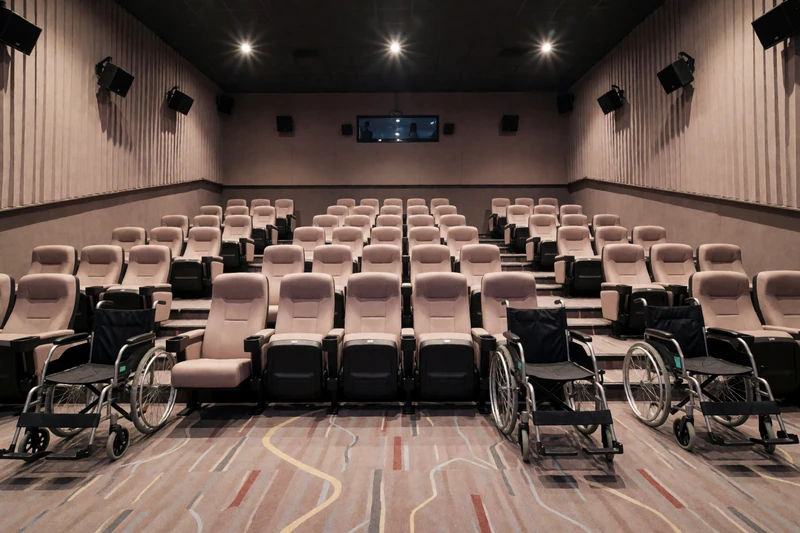
Adaptive Cinema Night
Many modern theaters now offer wheelchair-accessible seating with companion seats, audio description devices, and captioning options. Call ahead to confirm accessible seating locations and aisle widths. The shared experience of a film gives you something to talk about afterward without the pressure of constant eye contact - ideal for a first or second date.
- Verify wheelchair spaces and companion seating
- Ask about audio description and captioning
- Confirm accessible parking and restroom access
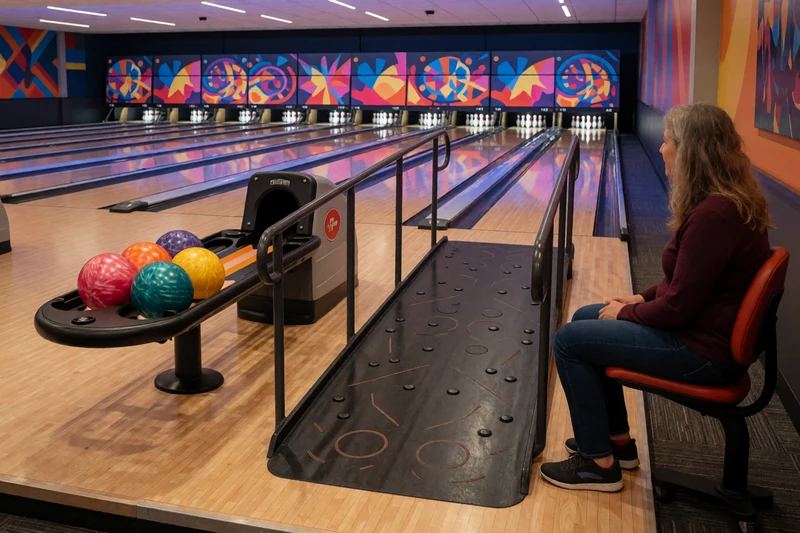
Adaptive Bowling
Bowling alleys increasingly offer adaptive equipment - bowling ramps, lighter balls, and lane-side seating. The turn-based nature of bowling means natural conversation breaks, and the activity is adaptable to a wide range of motor abilities. It is playful, low-pressure, and lets you see how you and your date handle friendly competition.
- Request a bowling ramp or adaptive ball
- Choose a lane near accessible seating
- Visit during off-peak hours for quieter sensory environment
Quiet Restaurant Date
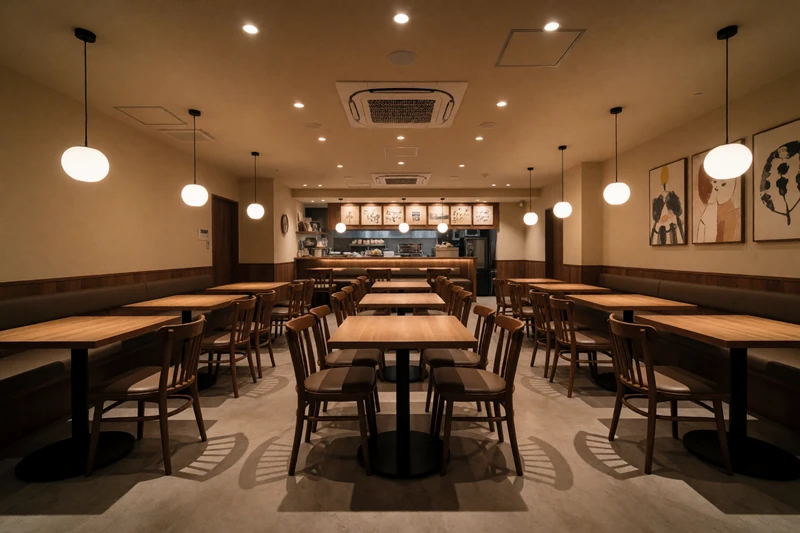
A restaurant with wide aisles, adjustable-height tables, and a quiet atmosphere lets you focus on conversation rather than navigating tight spaces or shouting over noise. Look for restaurants with accessible entrances, restrooms, and seating at tables rather than fixed booths. Reservations let you request specific seating arrangements in advance.
- Call ahead to request accessible table seating
- Choose a quieter time for easier conversation
- Confirm step-free entrance and accessible restroom
The key to a great accessible date is planning ahead so that accessibility is handled before you arrive - not negotiated in the moment. When the logistics are sorted, you can show up as your full self and let the connection take center stage. For a comprehensive checklist, our accessible first date ideas guide covers venue accessibility verification, transportation planning, and date ideas tailored to different types of disability.
Communicating with Partners About CP
Whether you have cerebral palsy and are navigating when and how to talk about it with a new partner, or you are dating someone with CP and want to understand how to be supportive, communication is the foundation. The good news is that on OpenHeartMatch, the conversation starts from a place of shared understanding - everyone here has opted into a disability-inclusive community. But within that shared context, there are still important conversations to have about your specific experience, your needs, and how you and your partner can build a relationship that works for both of you.
- You control your narrative. On OpenHeartMatch, you never have to disclose your CP as if it were a warning. Your profile can mention it, or you can share it in conversation when it feels natural. Some members include it in their bio; others prefer to let it come up organically. There is no wrong answer. What matters is that you feel in control of how and when your story is told - not pressured by a platform that forces disclosure or a culture that treats disability as something to confess.
- Be specific about what you need. Cerebral palsy varies enormously from person to person. Your partner cannot know whether you need help with certain tasks, prefer specific seating arrangements, or have energy limitations unless you tell them. Being specific - "I use a power chair for longer distances," "I get fatigued in loud environments," "I use a communication device in some situations" - gives your partner the information they need to be supportive without making assumptions about what you can or cannot do.
- Invite questions, do not anticipate judgment. A partner who is genuinely interested will have questions - and that is a good thing. Curiosity is not the same as scrutiny. When you invite questions openly ("Feel free to ask me anything about my CP - I would rather you ask than wonder"), you set a tone of transparency and trust. On OpenHeartMatch, the community baseline is already higher, so these conversations tend to go better than they would on mainstream platforms.
- Talk about intimacy honestly. If CP affects your mobility, intimacy may require adaptation - and that is a conversation worth having openly rather than discovering through awkward moments. Discuss what feels good, what positions work, what causes discomfort, and how you can both communicate during intimate moments. These conversations, while vulnerable, build some of the deepest trust in a relationship. Our disability and sexuality guide offers a framework for approaching this topic with confidence.
- Address the caretaker dynamic directly. One of the most important conversations to have - especially in relationships where one partner has a disability and the other does not - is about the balance between care and partnership. A partner may naturally help with certain tasks, and that is healthy. But when the relationship starts to feel more like a caretaker-and-patient dynamic than an equal partnership, it needs to be addressed. Talk about how to maintain reciprocity, how each person contributes, and how to keep the romantic dynamic alive alongside any practical support.
- Plan for energy and fatigue. Cerebral palsy can involve fatigue, and that is a real factor in dating and relationships. Being honest about your energy levels - "I would love to go out, but I need a rest day tomorrow" - helps your partner understand your rhythm and plan accordingly. A partner who respects your energy needs is a partner who sees the long game. For more on balancing relationships with chronic conditions, our chronic illness dating guide offers strategies that apply to CP as well.
For partners who are new to disability, our safety tips page includes guidance on recognizing and avoiding common pitfalls in disability dating, and our caregiver dating article explores the nuanced dynamics of relationships where care and romance intersect.
Cerebral Palsy Dating FAQ
Questions we hear most often from people with cerebral palsy exploring online dating - and from partners open to dating someone with CP.
Is there a dating site for people with cerebral palsy?
Yes - OpenHeartMatch is an accessibility-first, nonprofit dating site that welcomes people with cerebral palsy alongside the broader disability community. Every feature is designed with motor, sensory, and cognitive accessibility in mind. From screen reader compatibility to keyboard navigation and support for diverse communication methods, the entire platform is built so that CP never prevents you from connecting. Core features are free, and our human moderation team keeps the community safe and respectful.
Can people with cerebral palsy have romantic relationships?
Absolutely. Cerebral palsy is a motor condition that affects movement and muscle tone - it does not affect the capacity to love, to desire, to form deep emotional bonds, or to build a committed partnership. People with CP date, fall in love, marry, and build families. What sometimes creates difficulty is not the CP itself but societal misconceptions, inaccessible environments, and partners who lack understanding. OpenHeartMatch removes those barriers by building a community where disability is normal and accessibility is the foundation.
How do I talk about cerebral palsy in my dating profile?
On OpenHeartMatch, you are in complete control of your narrative. You can mention your CP in your bio, include it as part of your story, or let it come up naturally in conversation. There is no pressure to disclose in any particular way. Many members find that being open on an inclusive platform removes the anxiety of timing a disclosure and lets conversations focus on personality, interests, and connection. You can also share practical information - communication methods, mobility aids, energy needs - at whatever level of detail feels right to you.
Does OpenHeartMatch work with screen readers and communication devices?
Yes. Accessibility is the foundation of our platform, not an add-on. Our site is fully compatible with screen readers, supports keyboard-only navigation, and works with switch devices, eye-tracking systems, and voice control. Our messaging system supports text, voice messages, and image sharing, so you can communicate in whatever way works best for you. We test with real assistive technology and incorporate feedback from users with diverse access needs.
Is OpenHeartMatch free for people with cerebral palsy?
Yes. As a 501(c)(3) nonprofit organization, we are committed to keeping core features - creating a profile, browsing matches, and sending messages - free forever. We are funded by grants and community support, not by paywalls that exploit your search for connection. The essentials of finding and communicating with matches will always be accessible to everyone, regardless of financial situation.
How does OpenHeartMatch protect people with disabilities from exploitation?
People with disabilities face a higher risk of abuse, exploitation, and fetishization on dating platforms. We address this through multiple layers of protection: every profile is manually verified by a human moderator, reports are reviewed by real people (not automated systems), and our community guidelines explicitly prohibit ableist language, fetishization, and predatory behavior. We also provide safety resources tailored to the disability community. Our commitment to safety is not a marketing claim - it is a structural priority that shapes how the entire platform operates.