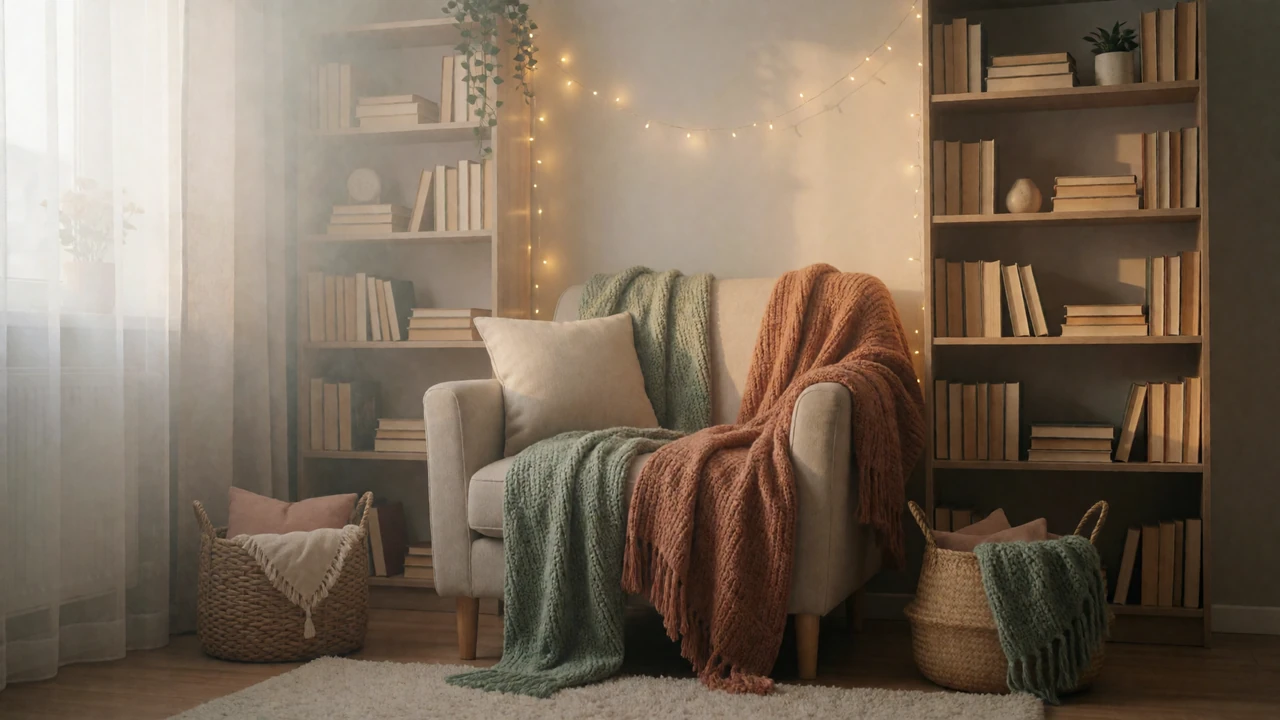
Neurodivergent Love: Dating with Autism and ADHD
Neurodivergent love is real, deep, and beautifully different. This guide explores how autistic and ADHD adults navigate romance, plan sensory-friendly dates, and communicate without conflict - on their own terms.
Understanding Neurodivergent Relationships
Neurodivergent love describes the romantic experiences of people whose brains work differently from the neurotypical norm - including autistic adults, those with ADHD, and people with other neurodevelopmental conditions. These relationships are not lesser or broken; they simply follow a different rhythm. When both partners understand and respect neurodivergent communication styles, the result can be a bond built on radical honesty, deep loyalty, and shared special interests.
For too long, mainstream dating advice has treated neurodivergent traits as problems to fix. The reality is that an autistic partner's directness, an ADHD partner's spontaneity, and the intense focus both can bring to a relationship are strengths. The challenge is not changing who you are - it is finding someone who appreciates how you already love. That is the philosophy behind OpenHeartMatch's neurodivergent dating community, where the Vibes matching system connects you with people who share your energy and interests.
Whether you are exploring autism spectrum dating or looking for a partner who understands ADHD relationships, this guide offers practical, affirming advice for building connection without masking who you are.
Planning Sensory-Friendly Dates
For many neurodivergent people, the sensory environment of a date can make or break the experience. Loud restaurants, flickering lights, and unpredictable crowds can be overwhelming. The good news? With a little planning, dates can be both sensory-friendly and genuinely romantic. OpenHeartMatch's Vibes system helps you match with partners who share your sensory preferences, so you can plan a date that feels right from the start.
Quiet Café Meetup
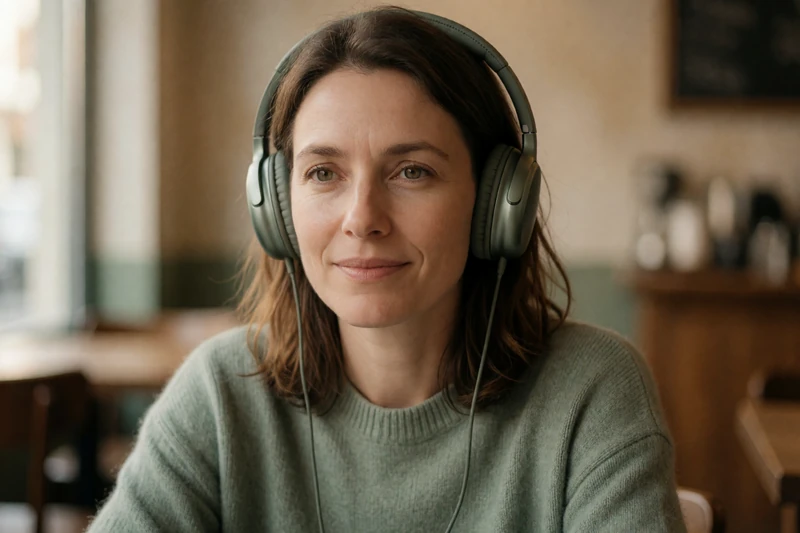
Choose a small, uncrowded café with soft lighting and acoustic music - or no music at all. Visit during off-peak hours for a calm environment where you can hear each other without straining. Bring noise-cancelling headphones if you need them; a good date will understand.
Bookstore or Library Date
Bookstores and libraries are naturally low-stimulation spaces. Browsing shelves gives you a shared activity that does not require constant conversation, and discovering a shared special interest in a book aisle can be a magical moment of connection.
Nature Walk at Dawn
A quiet park or botanical garden in the early morning offers fresh air, gentle sounds, and few people. The predictable, natural environment is soothing for sensory-sensitive partners, and walking side by side reduces the pressure of eye contact.
Sensory-Friendly Film Screening
Many theaters now offer sensory-friendly showings with lowered volume, raised lights, and the freedom to move around. A shared movie gives you something to discuss afterward without the exhaustion of a high-stimulation outing.
Art Gallery Visit
A quiet, uncrowded gallery lets you explore at your own pace. Visual art provides rich conversation topics without requiring constant verbal exchange, and many galleries offer sensory-friendly hours with reduced noise and lighting.
Virtual Date on OpenHeartMatch
When in-person dates feel like too much, a virtual chat on OpenHeartMatch lets you connect from the comfort of your own sensory-safe space. Share a special interest, play an online game together, or simply talk - no commute required.
Communication Without Conflict
One of the greatest strengths of neurodivergent relationships is direct, honest communication. Autistic adults often value literal, straightforward language, while ADHD partners may communicate in bursts of enthusiasm. When both partners understand these styles, misunderstandings shrink and trust grows. The key is building shared communication agreements rather than assuming the other person "should just know."
Say What You Mean - Literally
Neurodivergent partners often interpret language at face value. Sarcasm, hints, and "I'm fine" when you are not fine can create confusion. Practice stating your needs clearly: "I need 30 minutes of quiet time to recharge" is far more helpful than withdrawing silently. This directness is not rude - it is a gift that removes guesswork.
Create a Shared Communication Plan
Talk openly about how each of you prefers to communicate. Some questions to explore together:
- Do you prefer texting or calling for non-urgent matters?
- How much advance notice do you need for plans?
- When you are overwhelmed, what signal can you use to let your partner know?
- Are there topics that require a "heads-up" before diving in?
Writing these agreements down - even informally - gives both partners a reference point and reduces the anxiety of unspoken expectations.
Embrace the Hyperfocus Honeymoon
ADHD partners often experience hyperfocus - an intense, all-consuming interest in a new partner or shared activity. This can be exhilarating, but it can also burn out. Autistic partners may develop deep, enduring special interests that enrich the relationship. The key is balance: enjoy the intensity while it lasts, and build sustainable routines for the quieter phases that follow.
Remember
Neurodivergent communication is not a deficit - it is a different language. When both partners commit to learning each other's language, the relationship becomes a place where you can finally drop the mask and be yourself.
Navigate Emotional Regulation Together
Both autism and ADHD can affect emotional regulation. An ADHD partner may feel emotions intensely and shift quickly between them, while an autistic partner may need time to process feelings before responding. Rather than judging these differences, name them. A simple "I need a moment to think before I respond" or "I am feeling a lot right now and I want to tell you about it when I can" builds a bridge between two different emotional rhythms.
Connect with Neurodivergent Singles
Ready to meet someone who speaks your language? OpenHeartMatch's specialized communities make it easy to find partners who understand neurodivergent love from the inside.